

PUBLISHING PORTFOLIO
A publishing portfolio is a collection of websites, content properties, brands, or digital assets managed under a larger publishing strategy. Rather than relying on a single website, publishers build multiple properties that serve different audiences, industries, or business goals.
For many digital publishers, growth begins with one successful website. As systems improve and experience grows, opportunities often emerge to expand into additional projects that reach new audiences and create new revenue opportunities.
As part of a larger Digital Publishing strategy, a publishing portfolio helps create diversification, scalability, and long-term stability.
WHY BUILD A PUBLISHING PORTFOLIO?
Many businesses rely heavily on a single website, traffic source, or customer segment. While this approach can be successful, it can also create limitations.
A publishing portfolio allows organizations to expand beyond a single property while reducing dependence on any one source of traffic or revenue.
Benefits often include:
• Audience diversification
• Multiple traffic sources
• Additional revenue opportunities
• Greater market reach
• Improved business resilience
• Long-term asset development
Instead of building one website that attempts to serve everyone, publishers can create focused properties designed for specific audiences and interests.
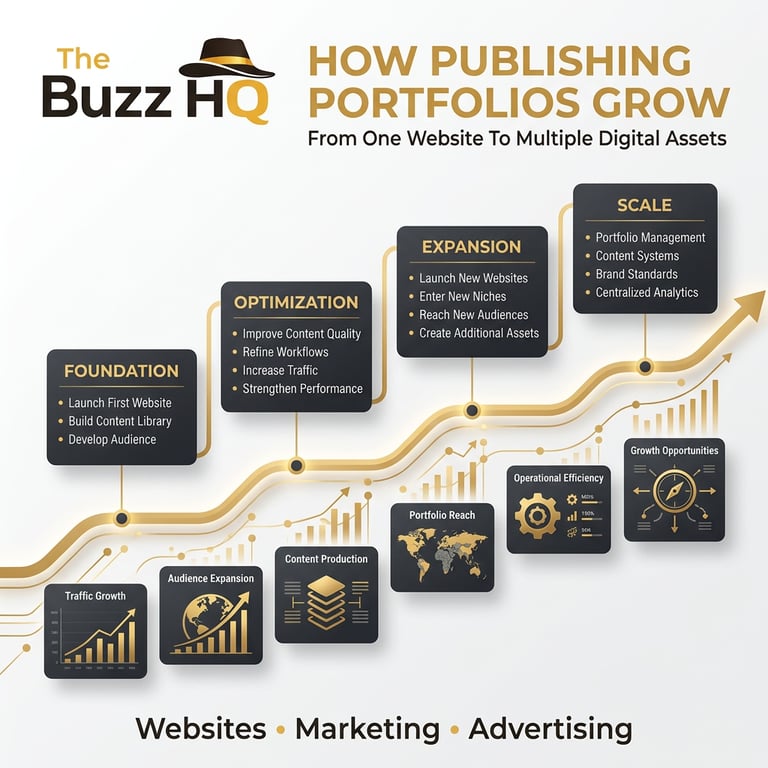
HOW PUBLISHING
PORTFOLIOS GROW
Most publishing portfolios do not begin with multiple websites.
They typically start with a single website that develops an audience and proves a concept.
As traffic, systems, and operational experience improve, publishers often identify additional opportunities that align with their skills and resources.
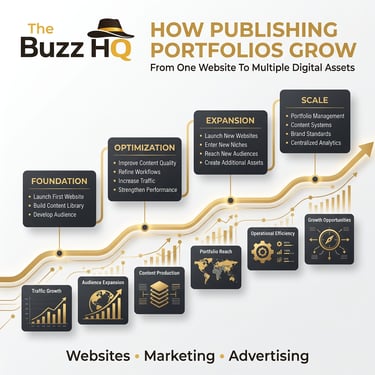
Growth often follows a pattern:
Foundation
Building and growing the first website.
Optimization
Improving content quality, workflows, and site performance.
Expansion
Launching additional websites or content properties.
Scale
Managing multiple brands through standardized processes and systems.
The ability to scale effectively often depends on having strong Content Systems that support consistent publishing across multiple properties.
THE ROLE OF
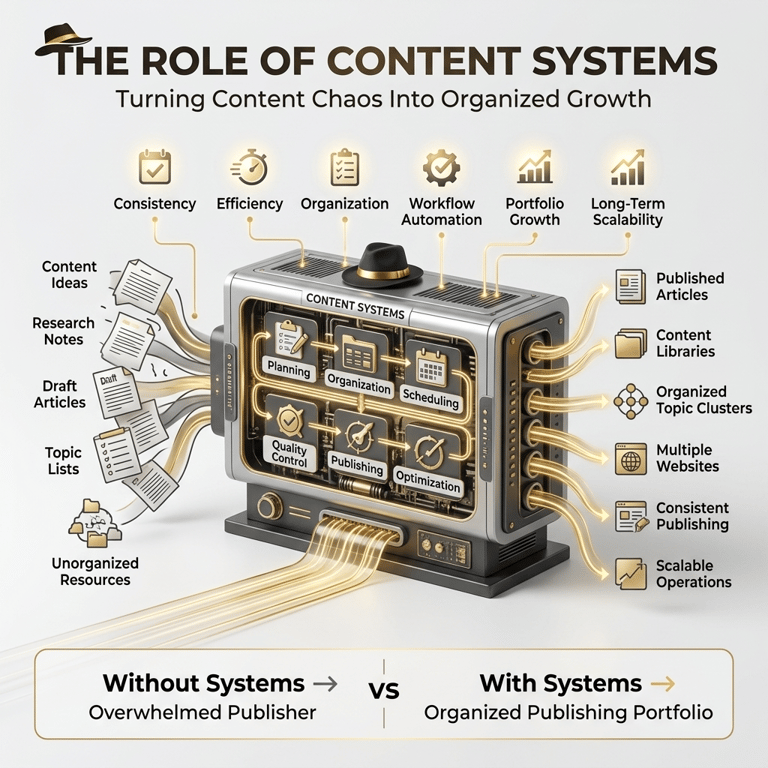
CONTENT SYSTEMS
Managing a single website can be challenging.
Managing multiple websites without structure can quickly become overwhelming.
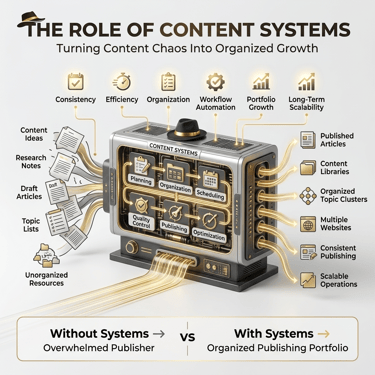
This is why successful publishers rely on organized Content Systems to manage planning, publishing schedules, workflows, content standards, and ongoing updates.
Content systems help publishers:
• Maintain consistency
• Improve efficiency
• Organize content production
• Streamline workflows
• Support growth across multiple properties
The larger a portfolio becomes, the more important systems become.
SEO ACROSS A PUBLISHING PORTFOLIO
Search visibility remains one of the most valuable traffic sources for many publishers.
As portfolios expand, publishers often develop more advanced SEO Systems that help organize content, manage internal linking, and strengthen topical authority across multiple websites.
Effective SEO strategies often focus on:
• Site architecture
• Topic clusters
• Internal linking
• Content quality
• User experience
• Search intent
Strong SEO systems help ensure that content remains discoverable while supporting long-term portfolio growth.


THE IMPORTANCE OF
BRAND BUILDING
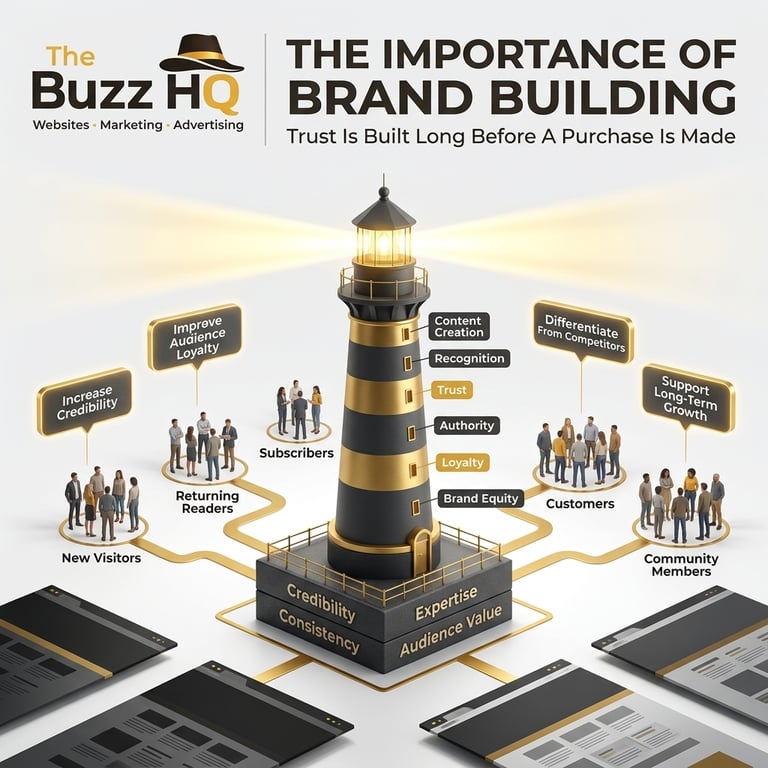
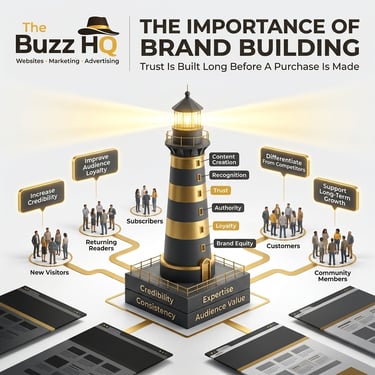
Each website within a publishing portfolio represents its own opportunity to build trust and authority.
Successful publishers understand that long-term growth is not simply about creating more content. It is also about developing recognizable brands that audiences trust.
Effective Brand Building helps publishers:
• Increase credibility
• Improve audience loyalty
• Strengthen authority
• Differentiate from competitors
• Support long-term growth
Over time, strong brands become valuable assets within a larger portfolio.
MONETIZATION OPPORTUNITIES
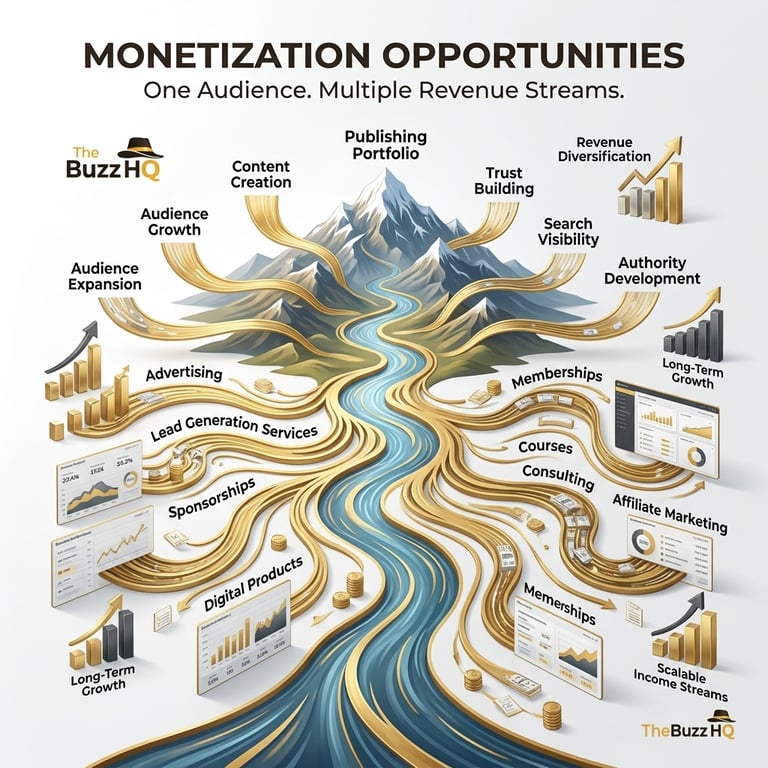
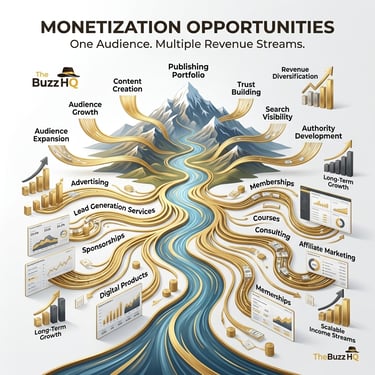
Publishing portfolios can support a variety of revenue models.
Common monetization methods include:
• Advertising
• Lead generation
• Services
• Sponsorships
• Digital products
• Memberships
• Courses
• Consulting
Many publishers use multiple revenue streams across different properties, creating a more diversified business model.
As a portfolio grows, additional opportunities often emerge that may not have been possible with a single website.
COMMON PORTFOLIO STRUCTURES


There is no single way to build a publishing portfolio.
Some publishers operate multiple websites within the same industry.
Others create brands across completely different markets.
Examples may include:
Industry-Focused Portfolios
Multiple websites serving related audiences within the same niche.
Topic-Based Portfolios
Separate websites dedicated to different interests, hobbies, or industries.
Audience-Based Portfolios
Properties designed around specific customer groups or demographics.
The right structure depends on business goals, expertise, and available resources.
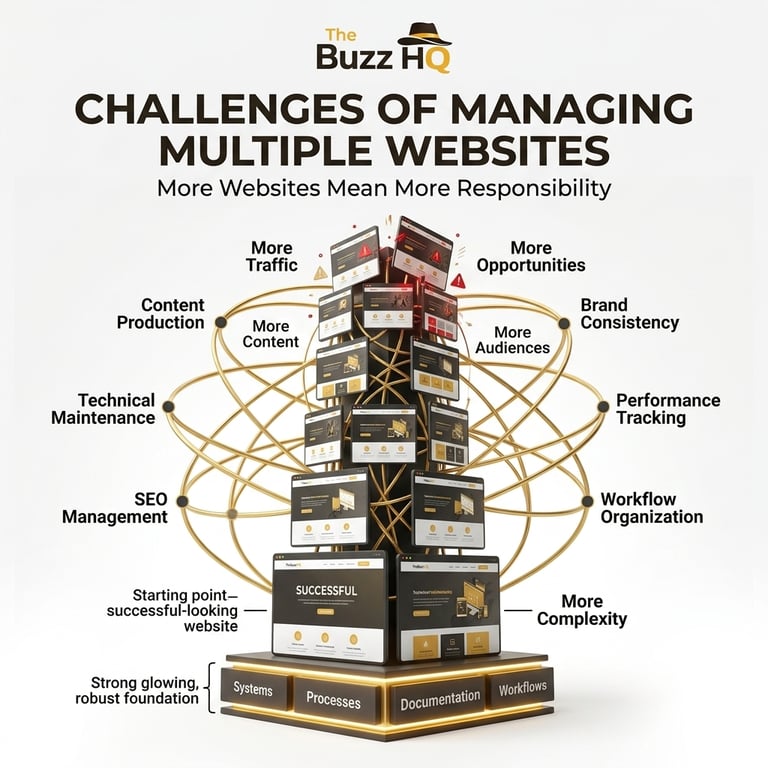
CHALLENGES OF MANAGING
MULTIPLE WEBSITES
While publishing portfolios create opportunities, they also introduce new challenges.
Publishers must manage:
• Content production
• Technical maintenance
• SEO management
• Brand consistency
• Performance tracking
• Workflow organization
Without clear processes and systems, portfolio growth can become difficult to sustain.
This is why successful publishers often prioritize operational efficiency before expanding aggressively.
THE FUTURE OF
PUBLISHING PORTFOLIOS
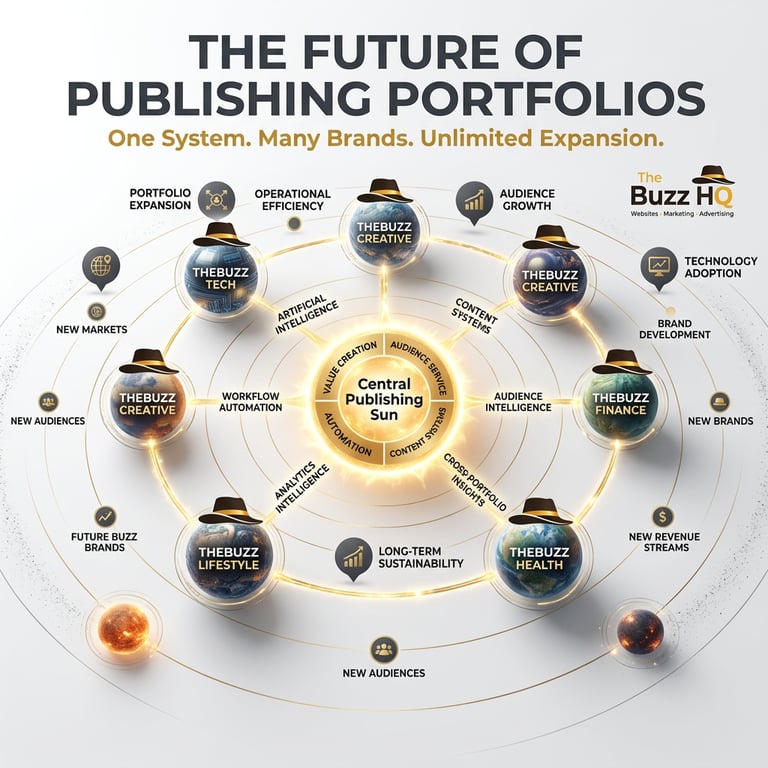
Technology continues making it easier to manage multiple content properties.
Automation tools, analytics platforms, artificial intelligence, and workflow systems help publishers scale operations more efficiently than ever before.
As digital publishing evolves, many organizations continue expanding into new markets through additional websites, audiences, and Future Buzz Brands.
Publishers that focus on creating value, building systems, and serving audiences effectively will continue finding opportunities to grow their portfolios over time.
PUBLISHING PORTFOLIOS AND
LONG-TERM GROWTH
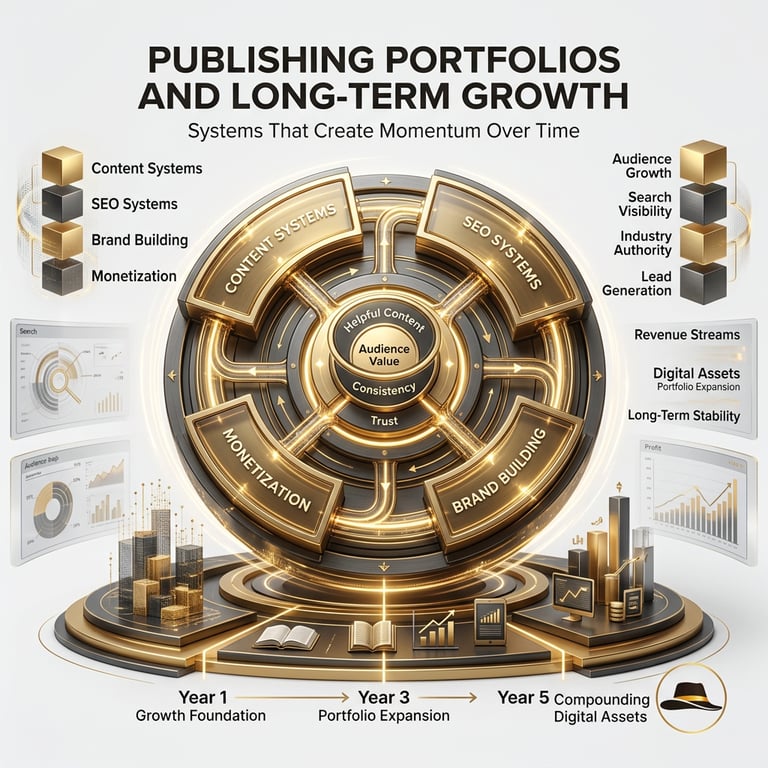
A publishing portfolio is more than a collection of websites.
It is a long-term strategy for building digital assets, reaching new audiences, and creating sustainable growth opportunities.
By combining effective Content Systems, scalable SEO Systems, strategic Brand Building, and diversified monetization methods such as Affiliate Marketing, publishers can create portfolios that continue generating value for years to come.
Whether managing one website or many, the goal remains the same: creating useful content that helps people while building valuable digital assets along the way.
Frequently Asked Questions
What is a publishing portfolio?
A publishing portfolio is a collection of websites, content properties, brands, or digital assets managed under a larger publishing strategy.
Why do publishers build multiple websites?
Publishers often build multiple websites to reach new audiences, diversify traffic sources, create additional revenue opportunities, and reduce dependence on a single property.
How many websites should a publishing portfolio contain?
There is no specific number. Some portfolios contain two or three websites, while others manage dozens of digital properties.
What role do content systems play in a publishing portfolio?
Content Systems help publishers organize workflows, maintain consistency, and scale content production across multiple websites.
How does SEO support a publishing portfolio?
SEO Systems improve discoverability, strengthen topical authority, and help publishers attract long-term organic traffic across multiple properties.
Can a publishing portfolio generate revenue?
Yes. Publishing portfolios often generate revenue through advertising, lead generation, services, sponsorships, products, memberships, and Affiliate Marketing.
What are Future Buzz Brands?
Future Buzz Brands represent future publishing projects, websites, and digital properties that expand a publishing company's reach into additional audiences and markets.
Ready to Grow Your Online Presence?
Book a Free Consultation
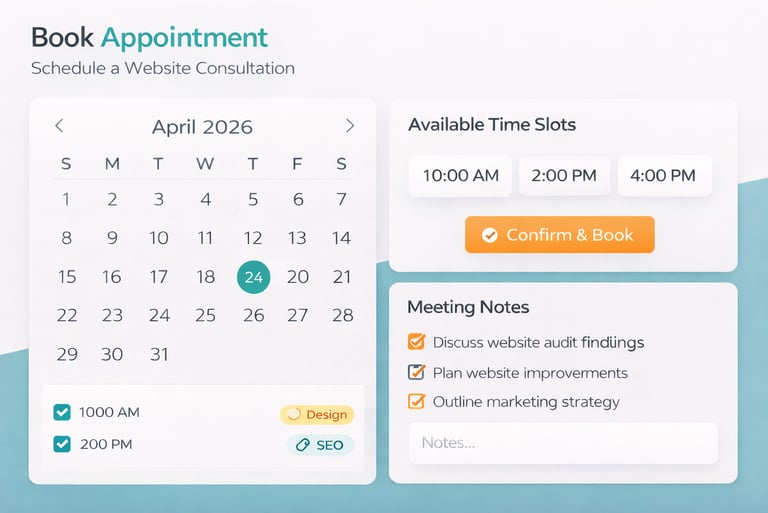
Schedule a quick 30-minute consultation to review your website, discuss your goals, and explore simple ways to improve your online presence.
If your business needs a modern website that looks professional, works on mobile, and helps customers find you online,
The Buzz HQ is here to help.
Free Local SEO Audit
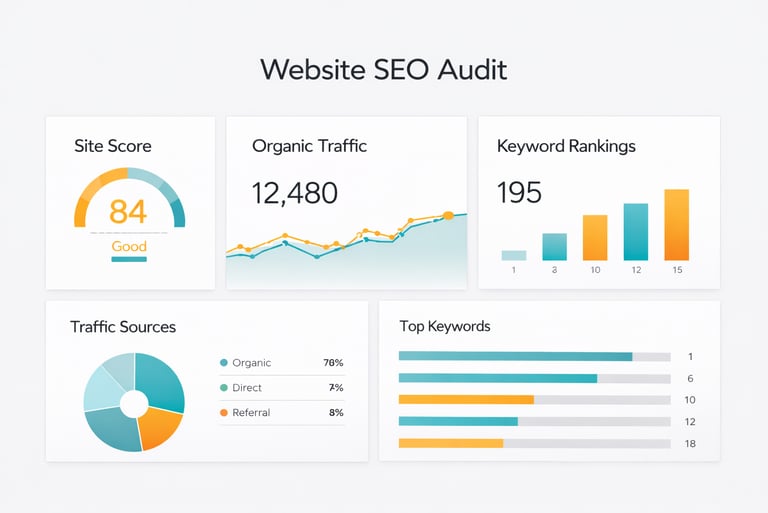
See how your website performs in search results. Get insights into rankings, visibility, and opportunities to attract more local customers.
Free Website Audit
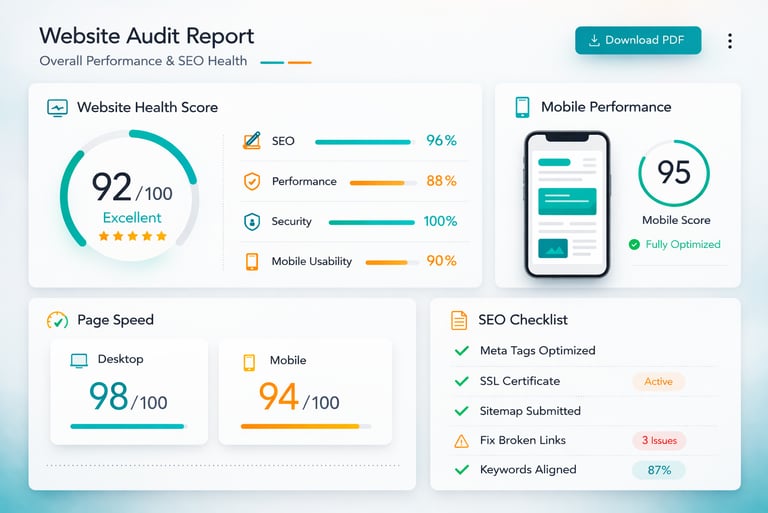
Get a quick review of your website’s design, speed, and usability with practical suggestions to improve performance and conversions.
© 2026 The Buzz HQ. All Rights Reserved.
The Buzz HQ
Websites • Marketing • Advertising
Helping Small Businesses Grow Online
The Buzz HQ provides practical digital marketing services designed for small businesses. From websites and social media to content creation and ongoing support, we help local businesses stay visible and competitive online.
Service Area
By using this website, you consent to the terms outlined in this Privacy Policy.