

What Is Digital Publishing?
Digital publishing is the process of creating, organizing, and distributing content through websites, blogs, newsletters, videos, podcasts, and other digital channels. It allows businesses, creators, and organizations to reach audiences online while building visibility, authority, and long-term value.
Unlike traditional publishing, digital publishers have direct control over their content, audience relationships, and distribution methods. Rather than relying on print publications or third-party gatekeepers, businesses can publish information directly to their own platforms and communicate with audiences on their own terms.
As part of a broader Digital Publishing strategy, businesses use content to educate audiences, answer questions, build trust, and support long-term growth.
HOW DIGITAL PUBLISHING HAS EVOLVED
The internet was once made up primarily of static websites that rarely changed. Over time, businesses discovered that regularly publishing valuable content helped attract visitors, improve visibility, and establish credibility within their industries.
As search engines evolved, content became one of the most effective ways to connect businesses with potential customers. Organizations that consistently published useful information often gained stronger online visibility and developed deeper relationships with their audiences.
Today, digital publishing includes:
• Educational websites
• Industry blogs
• Resource centers
• Email newsletters
• Video content
• Podcasts
• Social media content
• Online communities
Many successful publishers combine several formats to create a complete content ecosystem that supports audience growth over time.
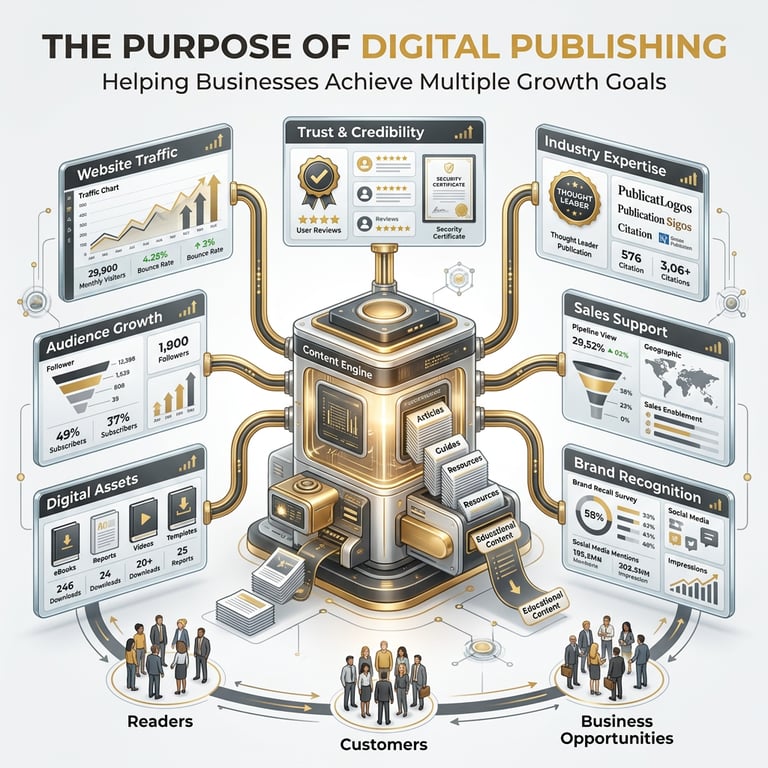
THE PURPOSE OF DIGITAL PUBLISHING
Digital publishing serves different goals depending on the organization.
Some businesses publish content to generate leads and attract customers. Others focus on educating audiences, building authority, or supporting existing products and services.
Common goals include:
• Increasing website traffic
• Building trust
• Demonstrating expertise
• Growing an audience
• Supporting sales efforts
• Improving brand recognition
• Creating long-term digital assets
At its core, digital publishing is about helping people find valuable information when they need it most.
TYPES OF DIGITAL PUBLISHING
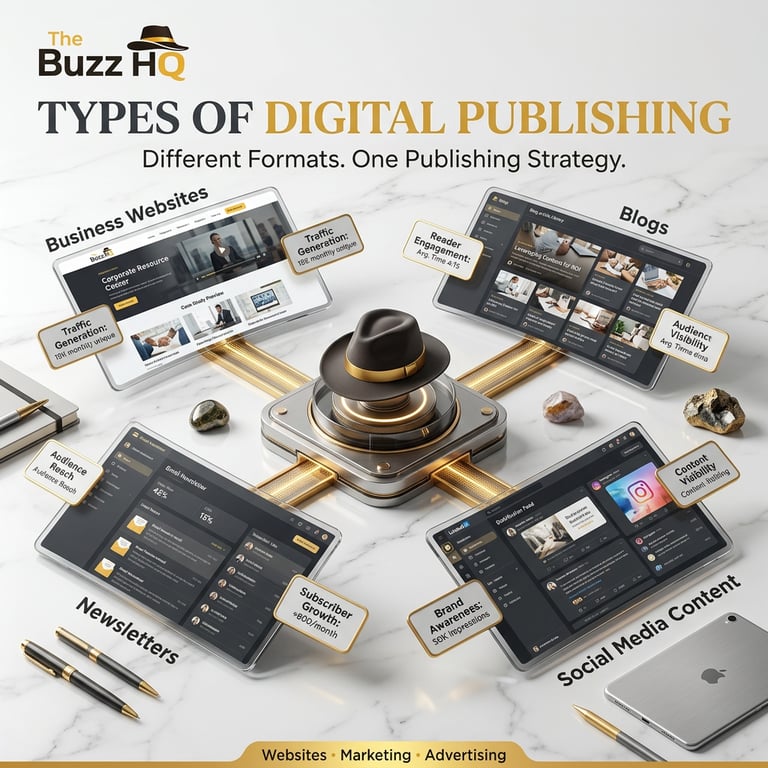
Digital publishing can take many forms depending on the audience and objectives.
Business Websites
Many businesses use digital publishing to support their websites through educational content, resource centers, service pages, and industry insights.
Blogs
Blogs remain one of the most common forms of digital publishing because they allow businesses to answer questions, share expertise, and create helpful resources for readers.
Newsletters
Email newsletters help publishers build direct relationships with their audience by delivering content directly to subscribers.
Social Media Content
Social media platforms help publishers distribute content, engage with audiences, and increase visibility beyond their websites.
Each format serves a different purpose, but all contribute to a larger publishing strategy.
WHAT MAKES DIGITAL
PUBLISHING SUCCESSFUL?
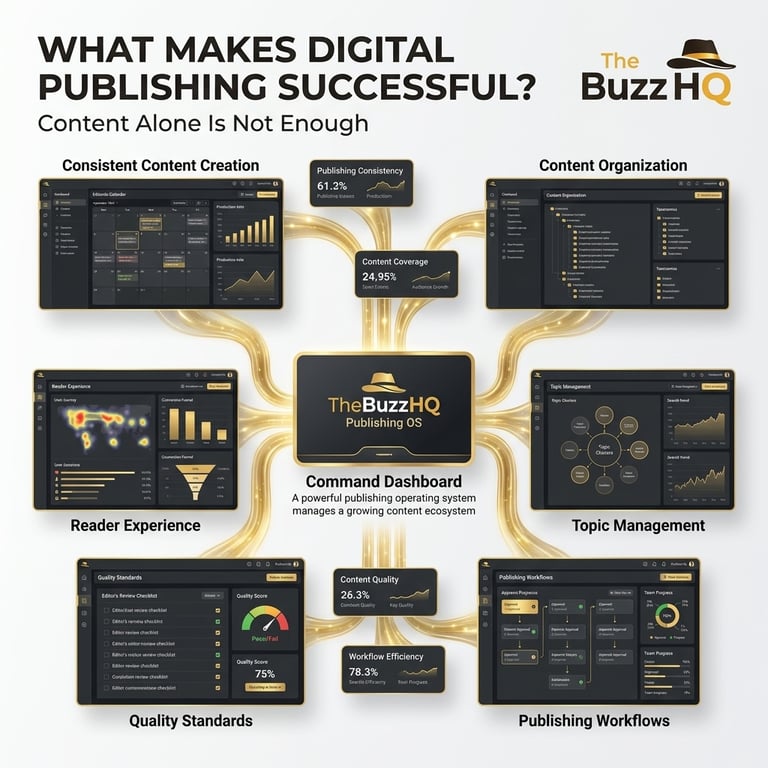
Publishing content alone is not enough.
Successful publishers create content consistently, organize information effectively, and focus on helping readers solve real problems.
As content libraries grow, publishers often develop structured Content Systems that help manage topics, organize workflows, and maintain consistency across their websites.
Strong content systems make it easier to scale publishing efforts while maintaining quality standards and improving the overall reader experience.
THE ROLE OF SEARCH ENGINES
One of the biggest advantages of digital publishing is discoverability.
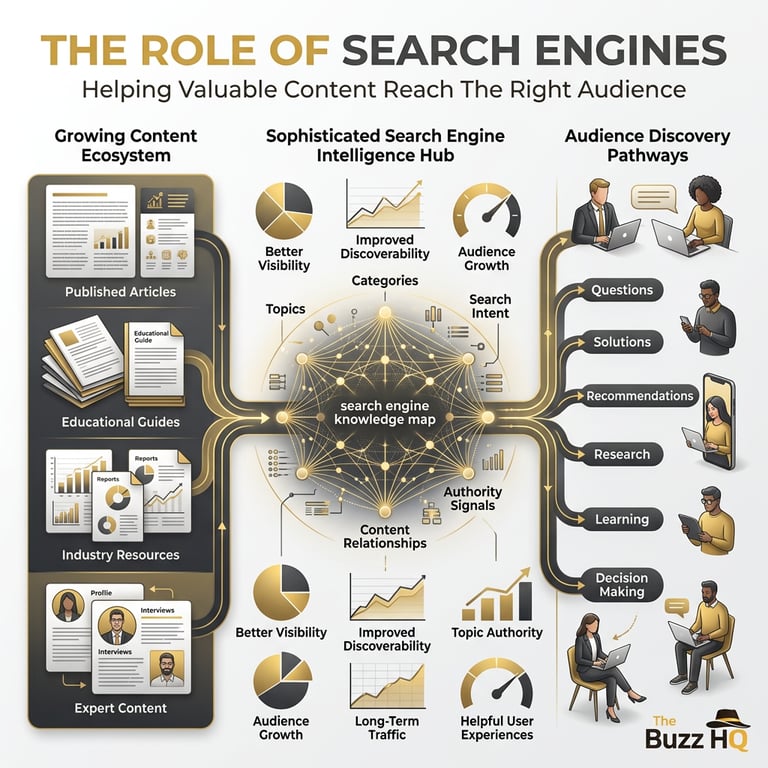
Unlike traditional advertising, published content can continue attracting visitors long after it is created. Search engines play a major role in helping readers discover useful information.
This is where effective SEO Systems become important.
SEO helps search engines understand content, organize topics, and connect users with relevant information. Strong SEO practices improve visibility while creating a better experience for visitors.
Rather than focusing solely on rankings, successful publishers use SEO to ensure valuable content reaches the right audience.
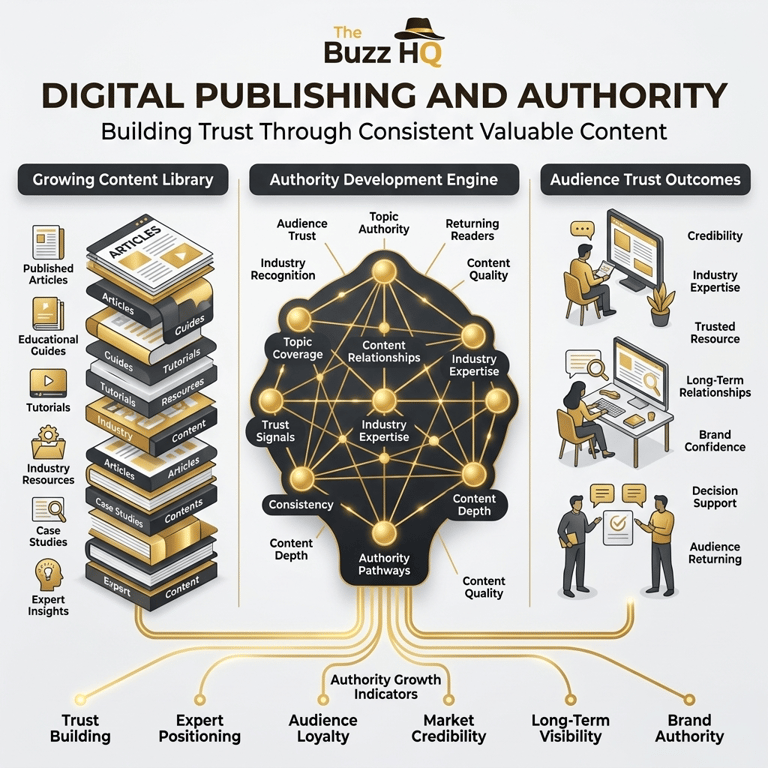
DIGITAL PUBLISHING AND AUTHORITY
Every article, guide, tutorial, and resource contributes to how audiences view a business or organization.
Over time, consistent publishing helps establish expertise and credibility within a market. Businesses that regularly provide useful information often become trusted resources within their industries.
This process plays a significant role in long-term authority building and helps strengthen relationships with potential customers and readers.
THE BENEFITS OF
DIGITAL PUBLISHING
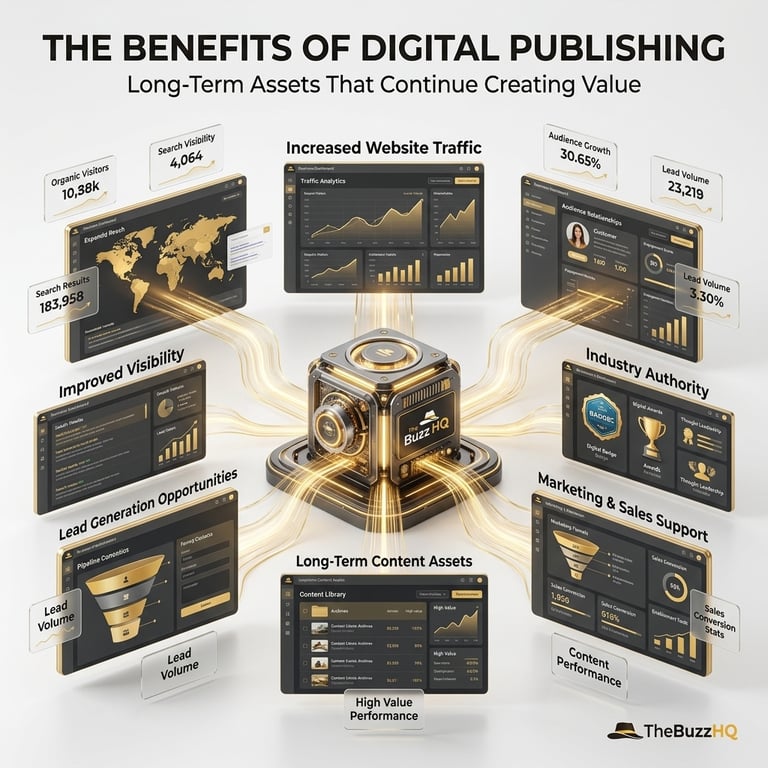
Digital publishing provides several long-term advantages.
Benefits include:
• Improved visibility
• Increased website traffic
• Stronger audience relationships
• Greater industry authority
• More opportunities for lead generation
• Long-term content assets
• Support for marketing and sales initiatives
Unlike short-term advertising campaigns, quality content can continue producing results for months or even years after publication.
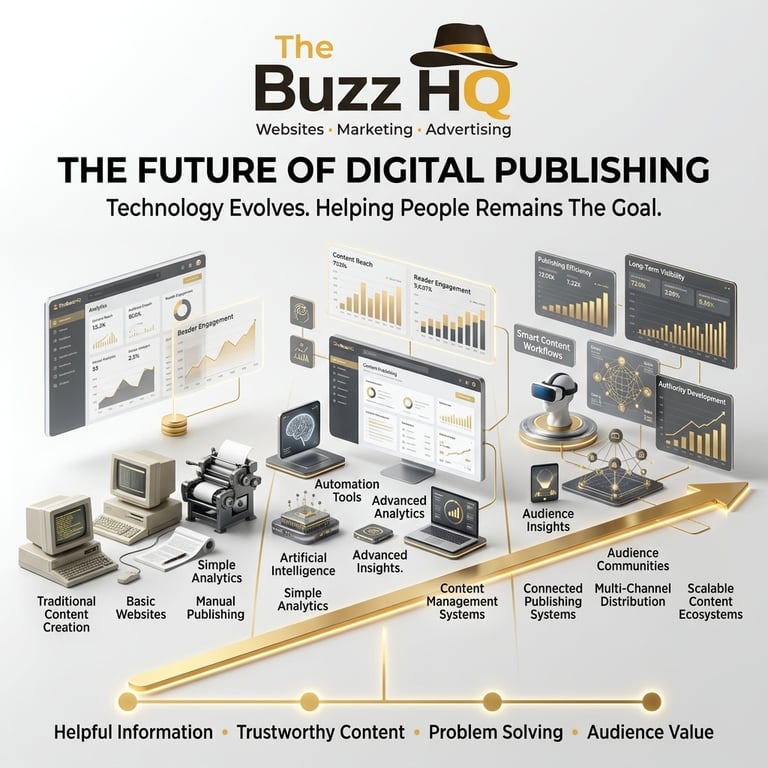
THE FUTURE OF DIGITAL PUBLISHING
Technology continues changing the way content is created and distributed.
Artificial intelligence, automation tools, analytics platforms, and modern publishing systems are helping businesses create content more efficiently than ever before.
However, one thing remains unchanged.
People continue searching for trustworthy information.
Organizations that focus on helping readers solve problems and answer questions will continue finding opportunities to grow through digital publishing.
Frequently Asked Questions
What is digital publishing?
Digital publishing is the creation and distribution of content through websites, blogs, newsletters, videos, social media platforms, and other digital channels.
Why is digital publishing important?
Digital publishing helps businesses improve visibility, build trust, establish authority, attract visitors, and create long-term digital assets.
How does digital publishing generate traffic?
Digital publishing attracts visitors through search engines, social media platforms, referrals, newsletters, and direct website traffic.
What role does SEO play in digital publishing?
SEO helps search engines understand content and improves visibility, making it easier for readers to discover useful information online.
What are content systems?
Content Systems are structured processes used to organize, manage, and scale content creation across a website or publishing operation.
Can small businesses benefit from digital publishing?
Yes. Digital publishing helps small businesses attract potential customers, demonstrate expertise, and strengthen their online presence through valuable content.
How is digital publishing different from traditional publishing?
Traditional publishing typically relies on print media and third-party distribution, while digital publishing allows businesses to publish content directly online and maintain control over audience relationships.
Ready to Grow Your Online Presence?
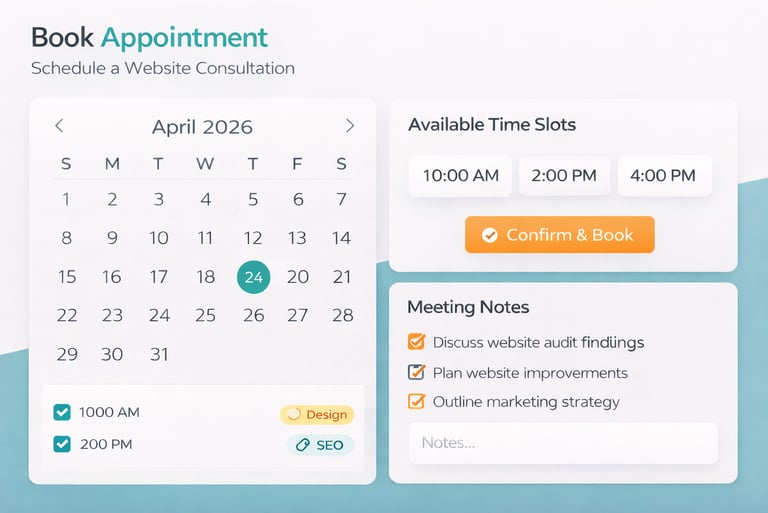
Book a Free Consultation
Schedule a quick 30-minute consultation to review your website, discuss your goals, and explore simple ways to improve your online presence.
If your business needs a modern website that looks professional, works on mobile, and helps customers find you online,
The Buzz HQ is here to help.
Free Local SEO Audit
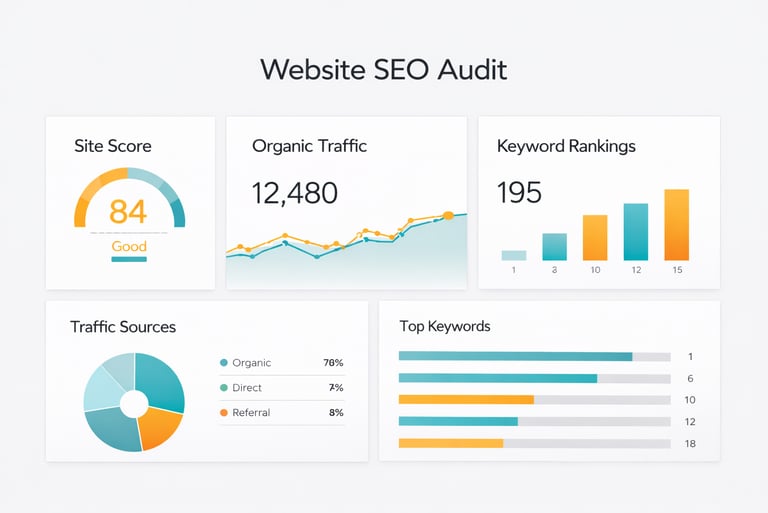
See how your website performs in search results. Get insights into rankings, visibility, and opportunities to attract more local customers.
Free Website Audit
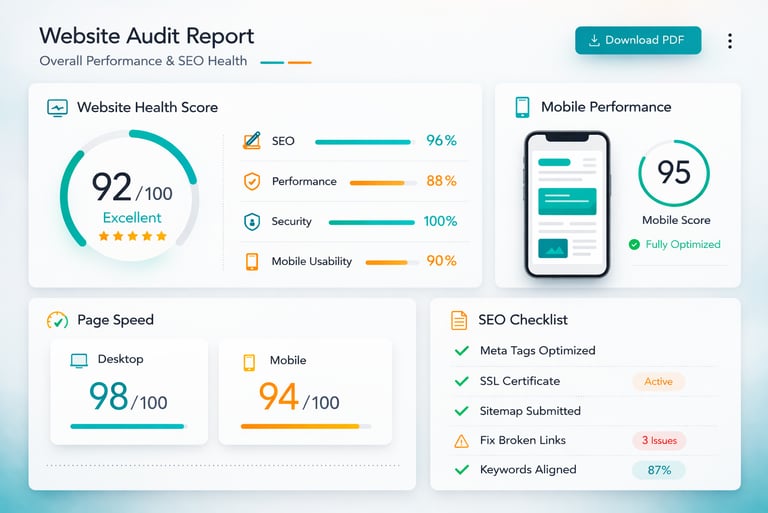
Get a quick review of your website’s design, speed, and usability with practical suggestions to improve performance and conversions.
© 2026 The Buzz HQ. All Rights Reserved.
The Buzz HQ
Websites • Marketing • Advertising
Helping Small Businesses Grow Online
The Buzz HQ provides practical digital marketing services designed for small businesses. From websites and social media to content creation and ongoing support, we help local businesses stay visible and competitive online.
Service Area
By using this website, you consent to the terms outlined in this Privacy Policy.